HVAC Contractor in Kansas City MO: A Homeowner’s Guide
Kansas City weather has a way of testing HVAC systems. One week you can be running air conditioning hard because the humidity feels like it comes in through the windows, and the next week you are digging the heater out of winter storage and wondering why the system sounds different than last season. If you own a home here, you end up learning HVAC the same way you learn the city’s roads, slowly at first, then all at once when something breaks at the worst possible time.
This guide is written for homeowners who want to make better decisions about AC repair in Kansas City MO, HVAC repair in Kansas City MO, AC installation in Kansas City, and AC maintenance in Kansas City. It also covers how to choose a real HVAC contractor in Kansas City MO when you need help fast, and how to avoid the common traps that cost time and money.
What Kansas City homeowners usually run into
In Kansas City, the most frequent calls I see from homeowners tend to cluster around a few patterns. The first is seasonal timing. AC issues often show up when nights are still warm and the humidity never really drops. Furnace problems tend to surface when the weather takes a sharp turn cooler and people try to get ahead of it.
The second pattern is “it worked yesterday.” A system can be mostly fine, then a minor fault turns into a shut down. For example, a dirty air filter can reduce airflow just enough that a safety control trips. A refrigerant leak can start out slow and then become noticeable once the home stays warmer longer during a heat wave. In troubleshooting, those “it was okay before” symptoms matter because they point to something that changed, not something that was broken all along.
The third pattern is installation and sizing problems showing up later. A correctly installed system can still wear out, but poor ductwork, a mismatched indoor and outdoor unit, or a bad thermostat setup can create chronic performance issues. Sometimes those issues are subtle for a year or two, then the system starts running longer than expected, struggling to hit setpoints, and racking up higher energy bills.
AC repair: how to think about comfort and safety
When people call for AC repair, they usually describe one of three experiences: not cooling enough, not cooling at all, or cooling inconsistently. Those differences help narrow down the cause.
If the AC is running but the home feels too warm, you might be dealing with airflow issues, capacitor or motor problems, a dirty coil, low refrigerant, or duct leakage. If the system runs briefly and then shuts off, that can point to a safety control issue such as a refrigerant freeze risk, an airflow problem triggering high temperature limits, or electrical instability. If the AC is completely dead, homeowners often check the thermostat settings first, then wonder about the breaker, the disconnect, and whether the unit has a tripped safety switch.
One detail that matters in Kansas City is humidity. Many homes here are built with duct systems that do their job, but not always in a way that manages moisture as well as it could. A system that is short cycling, low on refrigerant, or struggling with airflow may not dehumidify properly. That can feel like “the AC isn’t working,” even if temperature drops happen. You notice it because the air feels clammy, surfaces stay damp, and comfort never really arrives.
A good HVAC repair visit balances comfort concerns with safety realities. A technician should be careful with diagnosis steps and measurements, not just parts swapping. For example, it is tempting to replace a capacitor quickly when a unit has trouble starting, and that sometimes is the right move. The more responsible approach is to also verify voltage and understand why the capacitor failed, because a recurring electrical issue can keep damaging new parts.
HVAC repair in Kansas City: common symptoms and what they often mean
Homeowners tend to notice failures in different ways. Here are a few real-world examples that help translate symptoms into likely categories, without pretending there is a single universal cause.
A system that blows warm air only on the first call of the day sometimes points to a delay control, a fan issue, or a refrigeration circuit behavior that changes with ambient temperature. A thermostat that shows the system is running but air output is weak often involves dirty evaporator coils, restricted filters, failing blower motors, or duct restrictions. A unit that makes loud buzzing or repeating thumps can indicate electrical contacts, loose components, or failing fan assemblies.
In furnace season, the equivalents show up. A furnace that ignites but won’t stay on can involve flame sensor issues, combustion airflow restrictions, or a limit control opening because the heat exchanger area is not receiving proper airflow. A system that smells like dust or has a growing “burning” odor can be normal at first, then not normal if it persists. Persistent odors require attention because they can signal overheating components, blocked vents, or other safety concerns.
I also encourage homeowners to pay attention to what they do not smell or see. If a system suddenly stops producing airflow from the supply registers, but the furnace or air handler appears to start, you can have a blower or distribution issue. If a refrigerant-related problem is severe, you might notice ice on the evaporator coil or reduced airflow, and those are usually not “wait and see” situations.
AC maintenance in Kansas City: what actually prevents failures
Maintenance is one of those topics that people either treat like a routine chore or ignore until the system fails. In Kansas City, doing maintenance at the right times can genuinely reduce the chances of a mid-season breakdown.
AC maintenance in Kansas City often revolves around airflow, coil cleanliness, and electrical basics. Clean indoor and outdoor surfaces help heat transfer. Correct airflow helps prevent freezing and protects components from overheating. Electrical checks can catch issues before they become failure points.
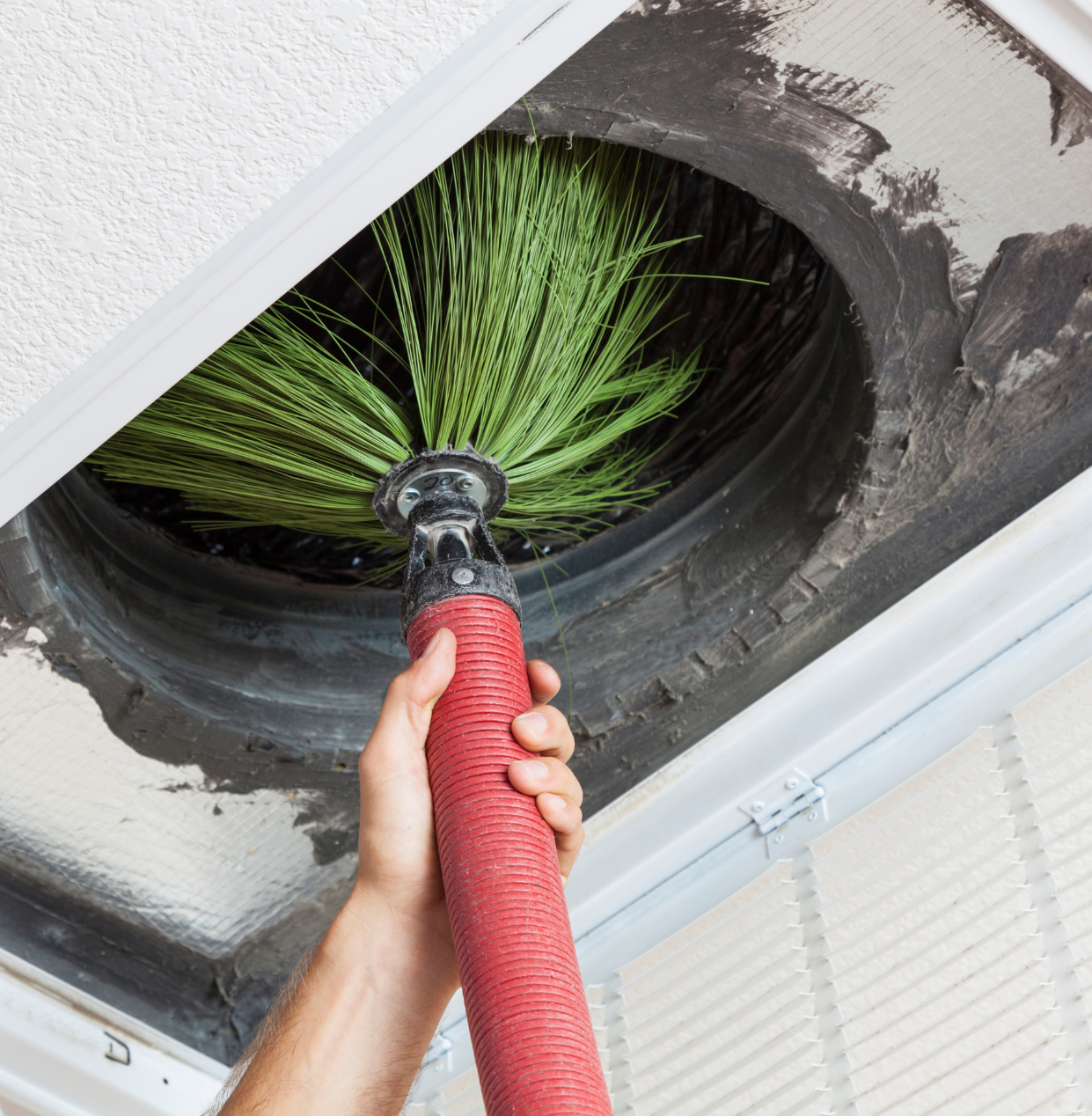
The biggest difference between “maintenance” and “neglect” is airflow. A dirty filter reduces airflow and makes the system work harder. Coils that are coated with dust reduce efficiency and can affect condensation behavior. Fans and motors work under load, and load increases wear.
Here is a practical homeowner checklist you can use without getting into technical work.
- Replace or check the air filter on schedule, and size it correctly for your system
- Keep outdoor units clear of leaves and debris, and avoid blocking airflow for any reason
- Watch for reduced cooling, short cycling, unusual noises, or persistent odors
- Ensure vents are not sealed off, but also avoid closing too many at once in a way that starves airflow
- Schedule professional tune-ups before peak seasons, especially if you have older ductwork or a system with a history of issues
If you only do one thing, do the filter schedule consistently. If you do two things, keep outdoor airflow paths open and have the system inspected before the hottest stretch.
When to call for AC repair vs schedule a tune-up
A common homeowner dilemma is deciding whether to call for immediate AC repair or to wait for the next maintenance appointment. You can make that decision based on how the system behaves.
If your AC is struggling to reach temperature but still runs steadily, a tune-up or evaluation might be enough, depending on what a technician finds. If you see ice formation on the indoor coil, repeated shut downs, or a system that stops running altogether, you should treat that as an urgent AC repair scenario. Waiting can turn a small problem into a more expensive one, especially if low airflow causes coil freezing or if refrigerant-related issues progress.
If the system is blowing air but not cooling, it could be as simple as a capacitor or a blower motor issue, but it could also involve refrigerant, a failing sensor, or a compressor problem. The key is that your home comfort is telling you something. When the system cannot remove heat the way it should, the root cause needs attention.
Also consider your risk tolerance. Families with infants, older adults, or health conditions that are sensitive to heat should not “experiment” with a system that is not cooling properly. Humidity control also matters, because discomfort is not only about temperature.
Choosing an HVAC contractor in Kansas City MO: what to look for
Not every contractor is the same, and HVAC is one of those industries where experience and communication affect outcomes. You want a contractor who diagnoses before replacing, explains HVAC repair in Kansas City MO options clearly, and respects your home.
A reliable HVAC contractor in Kansas City MO will typically do several things well.
First, they ask questions that show they understand how systems fail in real homes. They want to know when the problem started, what the thermostat is doing, whether the unit cycles normally, and whether there are any warning lights or error codes. That matters because symptoms narrow the search.
Second, they document. Good technicians often take measurements like temperatures and pressures where appropriate, check airflow, and look at electrical components. Even if you do not understand every detail, you should be able to tell what they checked and what they found.
Third, they communicate trade-offs. For example, sometimes repairing a failing part is straightforward, but sometimes the repair exposes a bigger issue like low refrigerant charge, duct leaks, or a failing blower component that will likely fail soon. A professional contractor does not use scare tactics, but they also should not ignore patterns.
Here is a short list of questions that often reveal whether a contractor is worth your time.
- What is the diagnosis process you use before recommending repairs?
- How do you decide between repair and replacement for my specific system?
- Will you check airflow and system performance, not just replace parts?
- What warranty is included on parts and labor, and what does it cover?
- Can you explain the estimated energy and comfort impact, based on your assessment?
If answers are vague, if documentation is missing, or if the conversation is all price and no reasoning, that is a red flag.
AC installation in Kansas City: sizing, ducts, and expectations
Choosing AC installation in Kansas City is not only about picking a unit and paying for it. Comfort results depend on the whole system, including ductwork, airflow design, thermostat control, and sometimes even home sealing.
The single most expensive mistake I see homeowners make is installing a unit that is wrong for the home. Oversizing can cause short cycling, which may lower temperature but often reduces dehumidification. Under sizing can leave the system running longer, struggling to keep up on humidity-heavy days. Either case can lead to higher bills and uneven comfort.
Ductwork matters because it controls how air and AC maintenance in Kansas City pressure are distributed. A well-sized AC system can still perform poorly if ducts are leaky, disconnected, poorly insulated, or undersized for the new equipment. When ducts are the weak link, a technician should acknowledge it and discuss options. Sometimes sealing and balancing improve comfort more than swapping equipment.
Thermostat setup also influences performance. If a thermostat is set in a way that causes frequent cycling or does not control fan operation appropriately, it can make a system feel inconsistent. For homeowners with newer systems, a professional installation should ensure sensors, settings, and operation modes are configured correctly.
And then there are expectations. Homeowners in Kansas City often want “set it and forget it” performance. Real systems need some adjustment and tuning, especially if the home has seasonal changes in humidity and occupant behavior. A good installation includes a commissioning mindset, not just hook-up and go.
Replacement vs repair: making the call without guessing
When a system starts acting up, homeowners usually ask a natural question: should I repair or replace? The honest answer is that it depends. It depends on age, condition, how many components are failing, and whether the system is fundamentally performing to expectations.
Repair can make sense when the problem is isolated and the system has a solid history. Replacement can make sense when multiple issues are emerging, when efficiency is significantly behind expectations, or when repairs would keep you paying to patch a system that has reached the end of its reliable lifespan.
Age matters, but it is not the only factor. A system can be old but well maintained, and a system can be relatively new but installed in a way that caused chronic problems. For homeowners, a useful approach is to ask the contractor to compare the cost of near-term repairs to the expected benefits of replacement, including improved performance and reduced risk of repeated breakdowns.
I also recommend homeowners ask about what would happen if they repaired. Would the repair address the underlying cause, or would it mask symptoms? If low refrigerant is involved, for example, the leak source needs attention. If a blower motor is failing, replacing it is not enough if airflow restrictions are causing overheating. A contractor should explain HVAC contractor in Kansas City MO the “why,” not just the “what.”
Ducts, insulation, and airflow: the hidden drivers of comfort
A lot of HVAC complaints are really comfort complaints. The system might be technically working, but the home feels uneven, sometimes rooms are noticeably warmer or cooler, and the temperature reading on the thermostat does not reflect what the bedrooms experience.
Duct leaks in attics and crawl spaces are common culprits. Insulation around ductwork affects how much heat the ducts pick up or lose. If ductwork is undersized or improperly routed, pressure imbalances can occur, and some rooms get more airflow than others. People feel those imbalances as drafts, stuffiness, or persistent hot spots.
If you are having repeated AC Emergency AC repair near me repair in Kansas City MO for similar symptoms, it might be time to look at the distribution system. In those cases, duct sealing, insulation improvements, or air balancing can make the biggest difference. Not every home needs ductwork work, but it is worth evaluating when the symptoms suggest airflow problems rather than pure mechanical failures.
Refrigerant concerns: what homeowners should know
Refrigerant is one of the most misunderstood parts of AC. Low refrigerant can cause performance problems, including reduced cooling and coil freezing risk in some situations. A system can also lose efficiency, because the heat transfer process depends on proper charge and correct pressures.
If a technician suspects refrigerant HVAC Service Near Me issues, the right approach involves identifying the cause, not just topping off. Responsible work treats refrigerant as a symptom and a diagnostic direction. It also ties refrigerant issues to airflow and coil cleanliness because those factors affect system operation.
Homeowners should also know that refrigerant charging is not a guess. It should be based on measurements and the equipment’s design. If a quote includes a refrigerant charge but the leak source is not discussed, ask questions. That is one place where you should insist on clarity.
Electrical and thermostat issues: the “it starts, then it doesn’t” problem
Some of the most frustrating calls involve systems that run briefly, then shut down. This can happen due to electrical problems, control board behavior, compressor start difficulties, or safety trips tied to airflow.
Capacitors and contactors are common wear items. Even then, replacement is not a blanket fix if the underlying electrical instability continues. That is why diagnosis matters. If you have a system that frequently trips breaker or has inconsistent start behavior, a competent contractor should investigate voltage and component health rather than only reacting.
Thermostats can also be part of the problem, especially if the system has been upgraded or modified. Incorrect wiring, incorrect configuration, or sensor placement issues can cause improper calls for cooling. In homes with multi-stage equipment, configuration matters even more, because the system expects certain operating patterns.
Costs and trade-offs: how to think like a homeowner
Cost is always a factor. The best mindset is to separate short-term relief from long-term reliability.
A basic repair might restore comfort quickly, but the technician should tell you whether it addresses the core issue. A repair that removes a symptom while leaving a weak component in place can lead to another failure later. Replacement might cost more upfront, but if it prevents repeated service calls and reduces energy waste, the math can work out over time.
Energy savings are not guaranteed in a simple way. If ducts are leaky or the system is oversized, a new high-efficiency unit might not perform as expected. A contractor should connect performance to your home’s real conditions, including airflow, ductwork, and comfort goals.
If you are comparing quotes, focus on what is being measured and what plan is being proposed. A quote that lists parts but not diagnosis steps is harder to evaluate than one that explains the problem, the evidence behind the recommendation, and the options with pros and cons.
A realistic timeline for an AC repair or install
You will often be dealing with scheduling constraints, and Kansas City weather does not politely wait for appointments. Still, there is usually a predictable rhythm.
For AC repair, a typical good process is assessment, observation of operation, verification of airflow and controls, then explanation of what needs attention. If parts are required, timelines depend on availability. Some repairs can be completed same day, while others need follow-up if parts are not on hand.
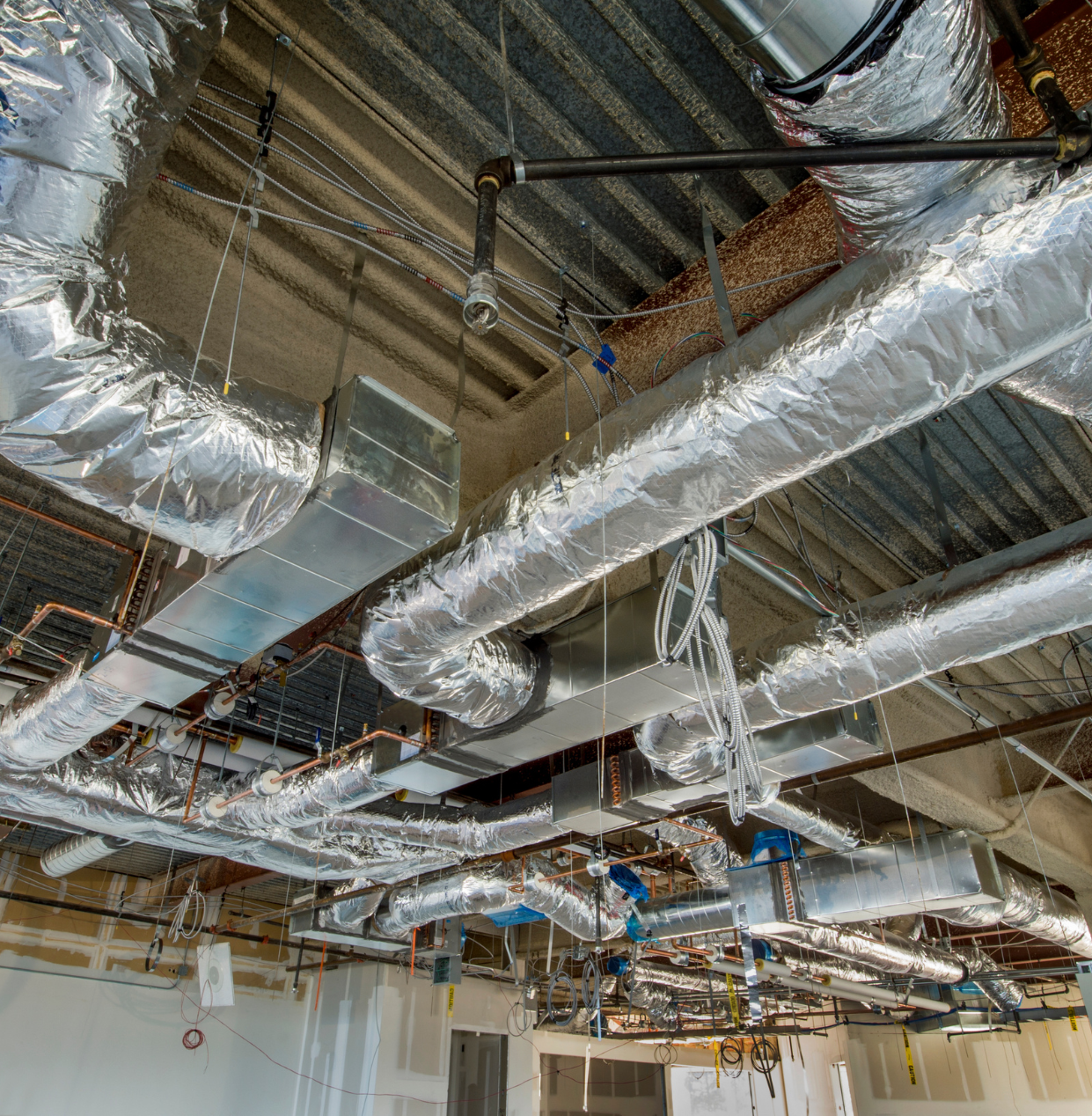
For AC installation, the timeline includes site evaluation, load and sizing discussion, equipment selection, and scheduling. Duct assessment may be part of that evaluation. After installation, it should include checks that the system is operating properly and that the airflow and controls are set for comfort.
You can help your scheduling by being ready with details, including when the problem started, what changed recently, your thermostat model, and any error codes shown on the display or control panel.
Small habits that help your system survive Kansas City seasons
Homeowners often ask what they can do between service calls. The most helpful habits are simple and do not require tools.
Keep the thermostat set within sensible ranges and avoid frequent drastic changes. A system does its best when it has stable targets and adequate airflow. Replace filters on time, and do not leave filters in place longer just because the air looks okay.
If you have ceiling fans, use them strategically. Fans can improve perceived comfort, so you may not feel as uncomfortable at slightly higher thermostat settings. That reduces runtime without sacrificing comfort.
Also, keep registers and returns accessible. Furniture, rugs, and storage can block airflow. When you block airflow in one area, the system compensates by pushing harder elsewhere, which can create additional stress.
When you should consider an upsizing plan or duct work changes
Not every comfort issue requires duct changes, but repeated hotspots, poor airflow, and ongoing humidity complaints can point in that direction.
If your home has older ducts in attics or crawl spaces, deterioration and leakage can worsen over time. In some homes, sealing and insulating ductwork improves comfort dramatically, and the HVAC system runs more efficiently because it is delivering more of the air it already produces.
When evaluating options, ask contractors to explain how ductwork changes would impact airflow. Avoid assumptions. Some ductwork problems are physical obstructions or connection failures, while others are about system balance. Each case leads to different fixes.
What to do right after service, and how to verify results
After AC repair or AC installation, you should do a little observation. You are looking for stability, comfort, and behavior changes.
If it is a repair, note whether the symptoms return. If the issue was insufficient cooling, check if the system now reaches your typical comfort range within a reasonable time and maintains it without frequent short cycling. If the issue was noise or electrical behavior, listen for whether the unusual sounds return.
After installation, pay attention to humidity comfort. Many homeowners judge results by how the house feels, not by temperature alone. If the air feels less clammy and surfaces feel more comfortable, that can indicate improved system operation and airflow.
If something feels off, do not wait weeks to mention it. Early feedback helps technicians adjust settings and verify airflow before minor issues become bigger.
Final perspective: HVAC service is a relationship, not a one-time transaction
A good HVAC contractor in Kansas City MO is not just the person you call when the system quits. The best relationship starts with clear communication, solid diagnosis, and realistic recommendations based on your home and your comfort goals.
Whether you are dealing with AC repair in Kansas City MO, HVAC repair in Kansas City MO, AC installation in Kansas City, or AC maintenance in Kansas City, you want the same fundamentals: evidence-based troubleshooting, careful workmanship, and respect for how your home actually feels.
If you treat maintenance as part of home ownership, not an optional expense, you will usually spend fewer frustrating hours waiting on repairs during peak heat or cold. And when you do need help, asking the right questions and expecting a diagnostic process will protect you from the costly detours that nobody wants.
All 4 One Heating & Cooling
5828 Woodland Ave, Kansas City, MO 64110, United States
816-699-8366
[email protected]
Website: https://all4onekc.com/